
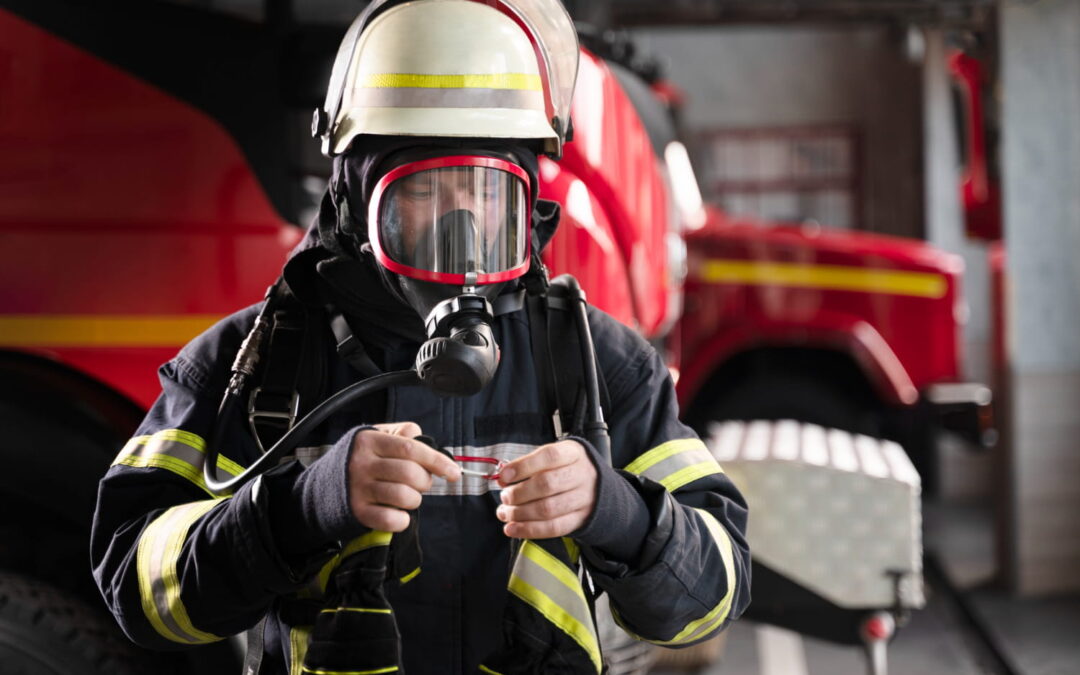
Fire departments play a critical role in protecting communities, and the St. George Fire Protection District in Baton Rouge, Louisiana, is no exception. Known for its commitment to rapid response, professional training, and community engagement, this department goes beyond traditional firefighting to provide emergency medical services (EMS) and specialized operations. Understanding how the St. George Fire Protection District functions offers a glimpse into the dedication, skill, and technology that keep residents safe every day.
Firefighting: Protecting Lives and Property
At the heart of the St. George Fire Protection District is its firefighting division, tasked with responding to fires, hazardous situations, and rescue operations. Firefighters are highly trained professionals who undergo rigorous physical and technical training to handle a wide range of emergencies.
The department uses state-of-the-art firefighting equipment including engines, ladder trucks, hoses, and protective gear to respond effectively to structural fires, vehicle fires, and wildland incidents. Firefighters also perform fire inspections and prevention programs, educating the public about fire safety practices and ensuring that buildings comply with safety codes.
Rapid response is critical in firefighting. St. George Fire Protection District strategically locates fire stations across the community, minimizing response times and increasing the likelihood of saving lives and property. Additionally, firefighters work in coordinated teams, ensuring that every emergency is handled safely and efficiently.
Emergency Medical Services (EMS): Life-Saving Care
In addition to firefighting, the St. George Fire Protection District provides emergency medical services (EMS) to residents. Every firefighter receives training in first aid, CPR, and advanced life-saving techniques, allowing them to respond to medical emergencies even before an ambulance arrives.
EMS teams handle a wide range of situations, including cardiac emergencies, trauma cases, respiratory distress, and accidents. These trained professionals stabilize patients on-site, administer life-saving interventions, and ensure safe transport to hospitals when necessary.
The integration of EMS within the fire department ensures faster response times and immediate care during critical emergencies, which can make the difference between life and death. By combining firefighting and medical expertise, St. George Fire Protection District provides a comprehensive approach to community safety.
Special Operations: Beyond Fire and EMS
St. George Fire Protection District also maintains a Special Operations Division, trained to handle emergencies that require specialized skills and equipment. This includes water rescue, high-angle rescue, hazardous materials response, and technical rescues.
- Water Rescue: Trained personnel respond to flooding, boating accidents, and swift-water emergencies, using boats and rescue gear to save lives.
- High-Angle Rescue: Firefighters perform rope rescues from tall structures or steep terrains, a skill requiring precision and advanced training.
- Hazardous Materials Response: Specially trained teams handle chemical spills, gas leaks, and other hazardous materials incidents to prevent public exposure and environmental damage.
- Technical Rescues: This includes vehicle extrication, confined-space rescue, and other complex situations that require specialized equipment and procedures.
Special operations ensure that the community is protected not only from fire and medical emergencies but also from complex, high-risk incidents that could otherwise overwhelm standard response teams.
Training, Technology, and Community Engagement
The success of St. George Fire Protection District is built on continuous training, technological advancement, and community outreach. Firefighters participate in ongoing drills, simulation exercises, and certification programs to stay up-to-date on the latest firefighting, EMS, and rescue techniques.
The department also uses modern technology, including GPS dispatch systems, thermal imaging cameras, and advanced communications tools, to improve response times and operational efficiency.
Community engagement is another key component. Firefighters educate residents about fire prevention, provide safety workshops for schools and businesses, and participate in public events to build trust and awareness. These programs reduce the risk of emergencies and empower residents to respond safely in critical situations.
Conclusion
The St. George Fire Protection District exemplifies the dedication, expertise, and versatility required to protect modern communities. Through firefighting, EMS, and specialized operations, the department ensures that residents receive rapid, professional, and comprehensive emergency response.
Whether combating structural fires, providing life-saving medical care, or performing high-risk rescues, the men and women of St. George Fire are committed to safety, professionalism, and community well-being. Their work goes beyond emergencies—it’s about fostering a safer, more prepared, and resilient community for everyone.
Learn more about the services, safety programs, and career opportunities at St. George Fire Protection District today.