
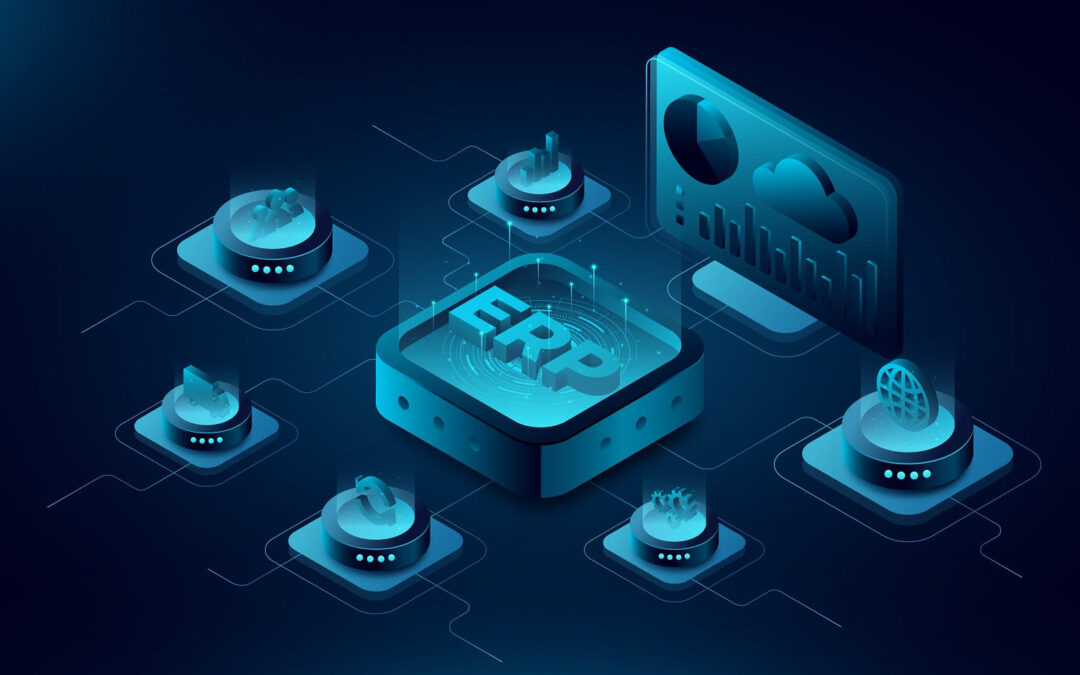
In today’s competitive marketplace, businesses need more than just hard work to succeed—they need smart systems that integrate processes, reduce inefficiencies, and empower better decision-making. This is where ERP system software comes into play. For companies across industries, from manufacturing to retail, ERP solutions have become essential for managing operations and achieving sustainable growth.
What Is ERP Systems Software?
Enterprise Resource Planning (ERP) systems software is a comprehensive platform that unifies a company’s core functions into a single system. Instead of operating separate tools for accounting, inventory, human resources, sales, and customer service, ERP software connects them all. This integration ensures real-time data flow, enhanced collaboration, and better visibility across the entire organization.
Why Businesses Need ERP Systems
For small, mid-sized, and large enterprises alike, disjointed systems often lead to errors, delays, and increased costs. ERP systems solve this problem by bringing everything together.
Some of the most impactful benefits include:
- Centralized Data Management: All information is stored in one place, reducing duplication and improving accuracy.
- Improved Efficiency: Automated processes save time and minimize manual errors.
- Better Decision-Making: Real-time insights help managers and executives act quickly and strategically.
- Scalability: ERP systems can grow with the business, adapting to new requirements and expansions.
- Enhanced Customer Service: By streamlining order tracking and inventory, businesses can respond faster and deliver better experiences.
Key Features of ERP Systems Software
While ERP software comes in many forms, certain features are crucial for modern businesses:
- Financial Management: Automates accounting, billing, and reporting.
- Inventory & Supply Chain Management: Tracks stock levels, orders, and vendor relationships.
- Human Resource Management: Simplifies payroll, recruitment, and employee records.
- Customer Relationship Management (CRM): Integrates customer interactions for personalized service.
- Analytics & Reporting: Provides data-driven insights to optimize operations.
When combined, these features ensure seamless workflows that boost productivity and reduce operational friction.
ERP and Business Growth
Beyond improving day-to-day operations, ERP systems software plays a strategic role in driving business growth. By consolidating data and processes, companies can better understand market trends, reduce costs, and allocate resources efficiently. This not only strengthens internal performance but also enhances customer satisfaction—a key driver of long-term success.
For companies like Prime Scales, operating in a space where accuracy, efficiency, and reliability matter most, ERP systems provide the framework to manage complex processes while ensuring scalability. From tracking inventory to managing customer orders, ERP ensures that businesses remain competitive in a rapidly evolving environment.
Final Thoughts
ERP systems software is no longer a luxury—it’s a necessity for modern businesses that want to stay ahead. By integrating core processes, offering real-time insights, and enabling smarter decision-making, ERP helps organizations achieve efficiency, agility, and growth.
For forward-thinking companies, adopting ERP is not just about technology—it’s about building a foundation for long-term success.