
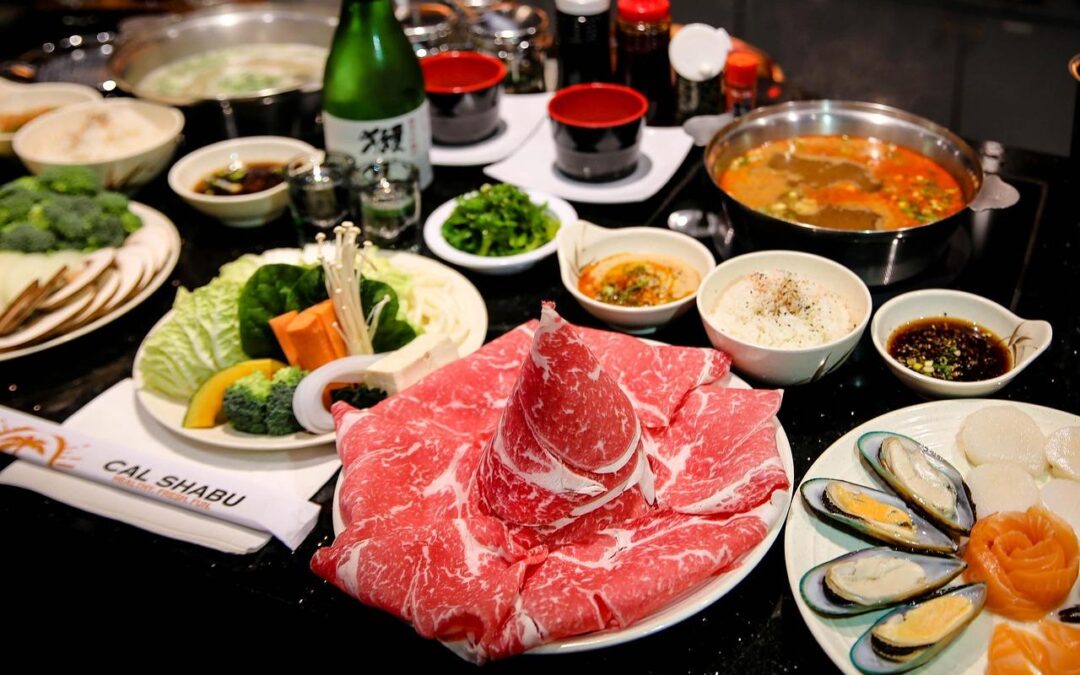
Team-building organisers are rethinking the usual lineup of activities. Lately, one idea is getting booked more often: Japanese cooking courses. There’s something about the calm energy of the kitchen, the shared concentration, and the unfamiliar setting that draws teams in. This isn’t entertainment with a bit of bonding thrown in; it’s bonding wrapped in something genuinely engaging.
Roles Disappear, and That’s the Point
In the kitchen, titles carry no weight but are retained. Whether someone runs the sales department or started last week, they’ll both be learning how to hold a knife correctly or roll nori without tearing it. That kind of environment builds trust quickly. No exercises, no awkward icebreakers, just shared focus.
Doing One Thing Well, Together
Japanese cuisine doesn’t allow for shortcuts. The timing matters. The temperature matters. The smallest details, the angle of the knife, and the way rice is handled demand care. That kind of attention brings people into sync. It forces a different kind of awareness, where team members start noticing how others work, adapt, and support.
Silence Speaks Volumes
Plenty of team events reward big personalities, but cooking requires a different energy. The group has to listen to the instructor, to the steps, and sometimes, to each other. In that quiet space, people who are usually overlooked start contributing in ways that feel natural. Those who usually take the lead learn to pause. It changes the pace and the tone of team dynamics.
No Room for Performance
There’s no presenting or pitching in these sessions. No one needs to impress. The goal is practical and immediate: prepare something edible and get it on the plate. Everyone’s invested in making that happen. That shared task strips away pretence and brings in real cooperation, not because it’s required, but because it makes sense in the moment.
Why This Format Works So Well
Learn cooking together allows space for humour, learning, mistakes, and small wins. That mix often builds more trust than a structured workshop or a panel discussion. The memory of folding gyoza or plating teriyaki lingers, not as a novelty, but as something people did together, with care.
The Quiet Impact of Japanese Cooking Courses
While every team event hopes to create stronger bonds, Japanese cooking courses tend to do it without forcing connection. The experience works because it feels grounded, thoughtful, skill-based, and quietly transformative. And sometimes, those are the experiences that teams carry with them longest.