
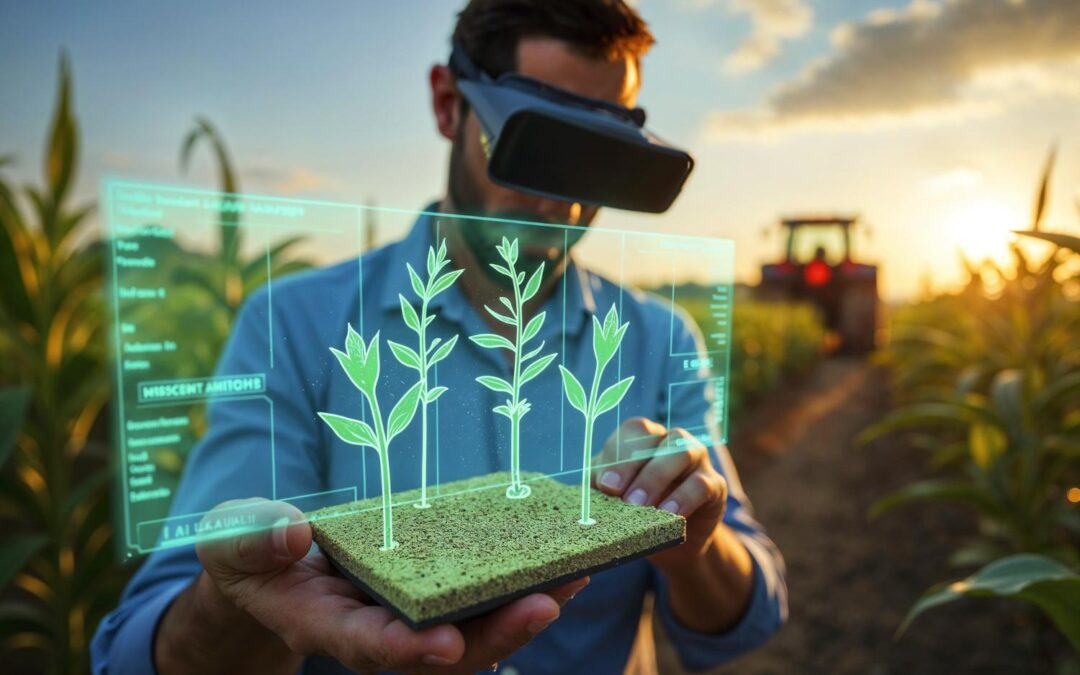
Urban planning is on the cusp of a transformation, spearheaded by the integration of innovative technologies. Among these, digital farm mapping stands out as a tool with the potential to reshape the way cities are designed and managed. This blog post delves into the fascinating interplay between digital farm mapping and modern urban design, offering readers an enlightening perspective on how this technology is influencing contemporary urban planning.
By reading this post, enthusiasts, experts, and laypersons alike will gain insights into the benefits, processes, and applications of digital farm mapping in urban design, supported by tangible evidence and statistics from the field.
Technology Meets Tradition: A New Wave in Urban Planning
The merging of advanced digital solutions, such as farm mapping, with traditional urban design strategies is creating smarter, more sustainable cities. The marriage of these two realms allows planners to visualize and manage urban spaces with unprecedented precision.
The Benefits of Digital Farm Mapping in Urban Environments
Farm mapping traditionally focuses on improving agricultural efficiency and land management. However, when applied to an urban design context, the benefits are multi-faceted:
- Enhanced Land Use Analysis: By leveraging high-resolution mapping, planners can optimize urban spaces, ensuring each inch serves its best possible use.
- Streamlined Planning and Development: Digital maps accelerate the decision-making process, leading to more efficient project timelines.
- Improved Resource Management: Accurate mapping allows for better distribution of utilities and services, reducing waste and overhead costs.
Case Studies: Where Farm Mapping Meets City Life
Implementing digital farm mapping within urban settings has seen successes around the globe. In Singapore, for example, planners used this technology to revamp the city’s food production systems by identifying optimal rooftop spaces for urban farming, thus integrating green spaces into the urban fabric.
The Future Landscape of Urban Design
The role of farm mapping in urban design is not just a passing trend—it’s part of a larger movement towards technology-driven, sustainable urban development. As populations grow and resources become scarcer, the need for smart planning is more pressing than ever. Digital farm maps provide the data necessary to make informed decisions that meet the demands of modern city living.
In conclusion, the incorporation of digital farm mapping into urban design represents a significant leap forward in planning methodologies. With every byte of data and pixel on the screen, urban spaces can be more thoughtfully crafted to be efficient, sustainable, and beneficial for all its inhabitants. Whether it’s refining land use or building resilient infrastructure, the digitalization of farming data is indeed planting seeds for the cities of tomorrow.