
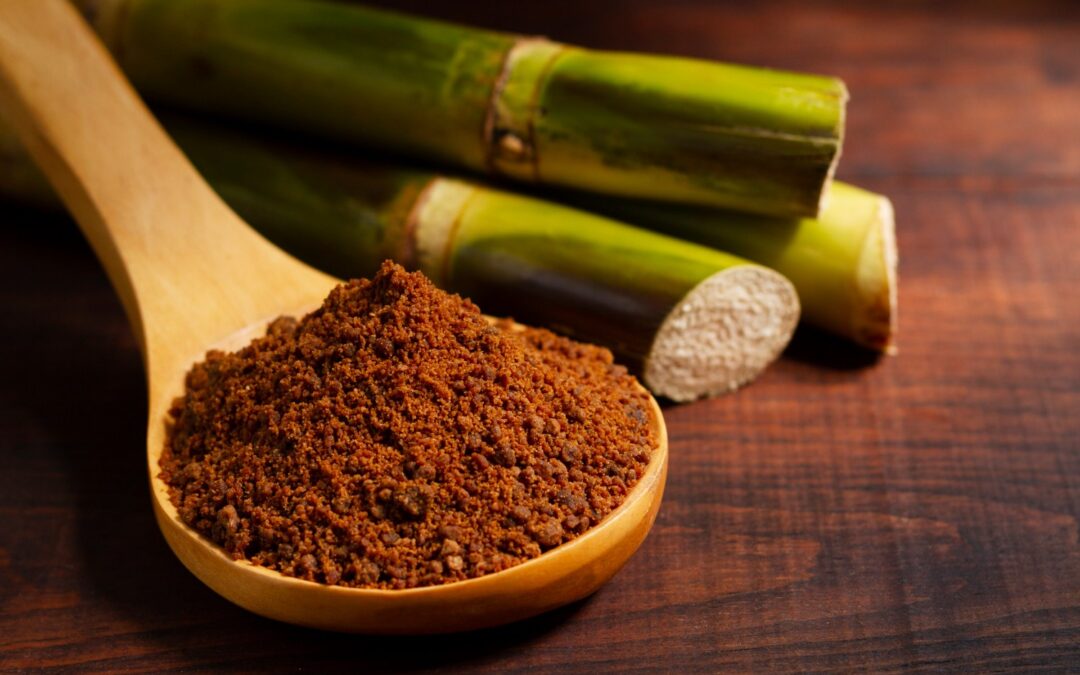
Processed cane sugar originates from the sugarcane plant but undergoes significant alteration before it reaches your kitchen. After juice extraction, the liquid is heated, clarified, crystallised, and bleached. What begins as a natural substance is stripped of its plant-based nutrients through repeated refining, leaving behind pure sucrose in its most concentrated form.
Functional Uses in Food
Despite growing concerns, processed cane sugar has practical value in culinary applications. It enhances browning in baking, improves shelf life in preserves, and balances acidity in sauces and dressings. Its versatility in food science and taste formulation has made it a staple in both commercial and home kitchens for decades.
Short-Term Energy Boost
One immediate benefit of caster sugar is its ability to supply rapid energy. As a simple carbohydrate, it is quickly digested and absorbed, making it effective in preventing fatigue or stabilising blood sugar during physical exertion. For athletes or individuals with hypoglycaemia, this can be a useful feature when managed carefully.
Long-Term Health Concerns
However, consistent intake of processed sugar is linked with a variety of health risks. High consumption levels are associated with obesity, fatty liver disease, insulin resistance, and metabolic syndrome. It also promotes dental decay and may fuel inflammatory processes in the body. Unlike natural sugar, it offers no protective nutrients to offset these risks.
Distinguishing Refined Sugar
Though often used interchangeably, refined sugar is a broader term encompassing all sugars that have been chemically processed, including beet sugar and high-fructose corn syrup. Processed cane sugar is a major subset of this group. These sugars are typically added to foods where sweetness is desirable but nutrient density is not a priority.
Exploring Healthier Sweeteners
Several alternatives to processed sugar have gained popularity. Coconut sugar, date syrup, and raw honey contain trace minerals and are less processed. Stevia and erythritol offer non-caloric options without impacting blood glucose. Though not all substitutes are suitable for everyone, exploring them can help reduce sugar dependence while maintaining palatable meals.
Making Informed Choices
Enjoying processed cane sugar in moderation is possible with mindful dietary choices. By recognising its place in the broader sugar spectrum and exploring alternatives, individuals can better manage sugar intake without compromising on taste. Awareness and balance remain the most effective tools for maintaining long-term health in today’s sugar-rich food landscape.